According to Michael A. Dirr's Manual of Woody Landscape Plants ...
Popular Amoenum Varieties:
Aocha nishiki, Autumn Glory, Corallinum, Golden Pond, Hōgyoku, Ichigyōji, Kara ori nishiki, Kogane sakae, Lutescens, Matsuyoi, Novum, Ōmato, Ōsakazuki, Oshio beni, Rubrum, Samidare, Saoshika, Satsuki beni, Shigitatsu sawa, Taimin, Taimin nishiki, Tana, Tatsuta, Tsukushi gata, Tsuman beni, Tsuma gaki, Umegae, Utsu semi, Variegatum, Yezo nishiki
Popular Linearilobum Varieties:
Ao shime-no-uchi shidare, Atrolineare, Beni ōtake, Beni ubi gohon, Chirimen nishiki, Curtis Strapleaf, Kinshi, Koto-no-ito, Purple Mask, Red Pygmy, Red Spider, Shinobuga oka, Villa Taranto, Willow Leaf
Popular Dissectum Varieties:
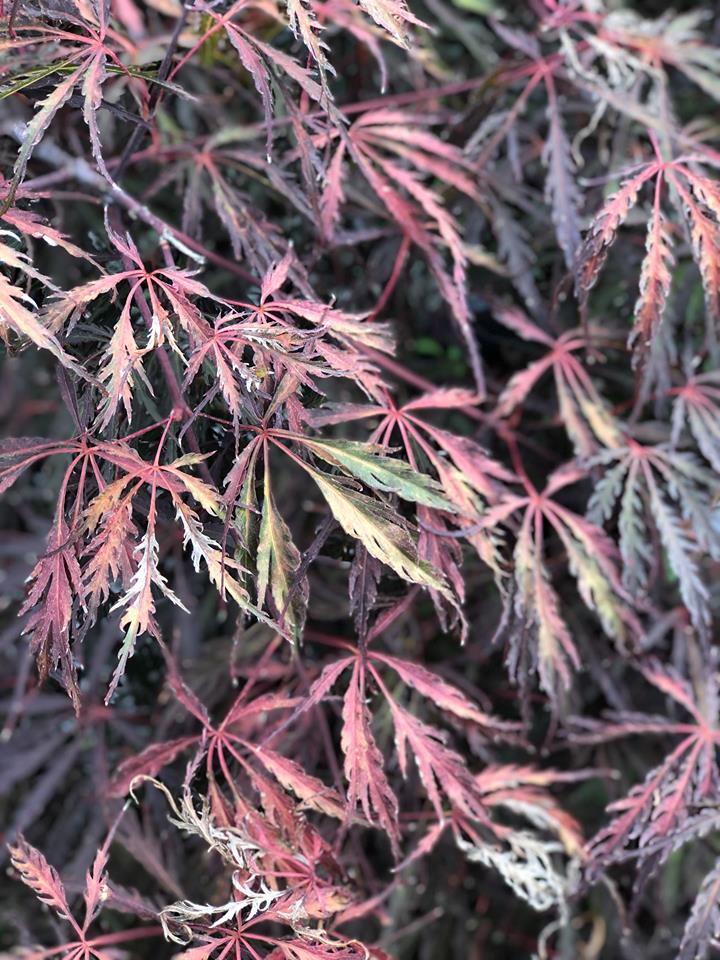
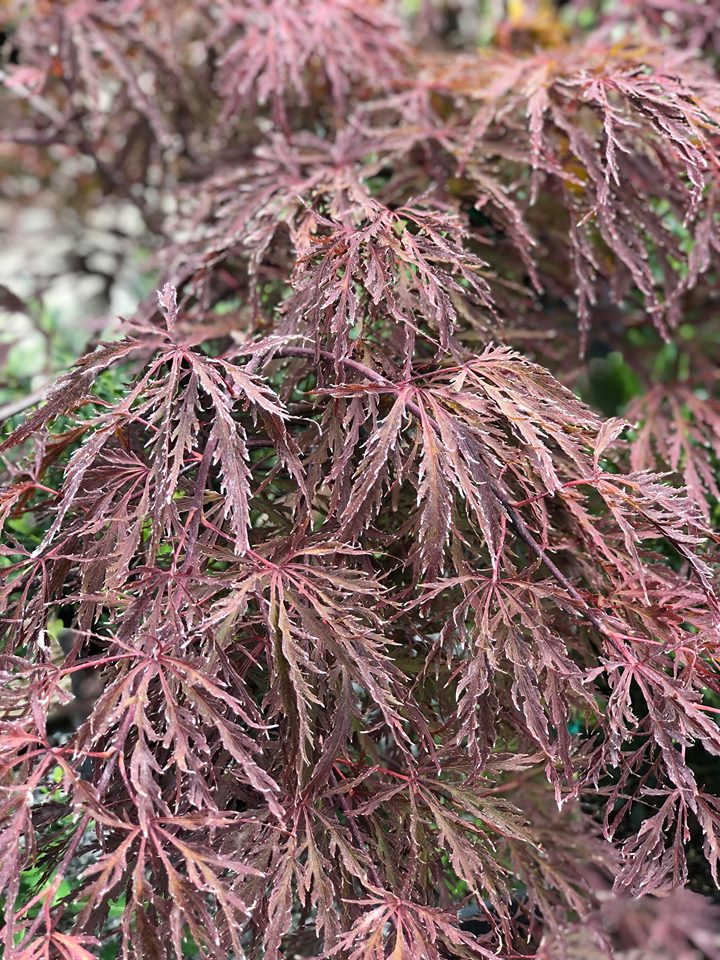
Beni kumo-no-su, Beni shidare, Brocade, Crimson Queen, Dissectum Nigrum, Ellen, Emerald Lace, Felice, Feligree, Flavescens, Garnet, Germaine's Gyration, Goshiki shidare, Green Globe, Green Lace, Green Mist, Inaba shidare, Irish Lace, Kiri nishiki, Lemon Lime Lace, Lionheart, Octopus, Orangeola, Ornatum, Palmatifidum, Pendulum Julian, Pink Filigree, Red Autumn Lace, Red Dragon, Red Filigree Lace, Rubrifolium, Seiryū, Sekimori, Shōjō shidare, Spring Delight, Stella Rossa, Sunset, Tamuke yama, Toyama, Toyama nishiki, Vic Pink, Viridis, Waterfall
Popular Dwarf Varieties:
Akita yatsubusa, Aoba jo, Aratama, Baby Lace, Beni hime, Beni hoshi, Berry Dwarf, Brandt's Dwarf, Caperci Dwarf, Coonara Pygmy, Coral Pink, Elizabeth, Garyū, Geisha, Globosum, Goshiki kotohime, Groundcover, Hanami nishiki, Hoshi kuzu, Hupp's Dwarf, Iso chidori, Issai nishiki, Kamagata, Kandy Kitchen, Kashima, Kiyohime, Kotohime, Koto ito komachi, Koto maru, Kurui jishi, Mapi-no-machi hime, Mikawa yatsubusa, Murasaki hime, Murasaki kiyohime, Ōjishi, Oto hime, Pixie, Red Elf, Ryūzu, Seigen, Sharp's Pygmy, Shidava Gold, Shishi yatsubusa, Shishio hime, Skeeter's Broom, Tama hime, Tsukomo, V. Corbin, Wilson's Pink Dwarf, Yatsubusa, Yuri hime
Popular Matsumurae Varieties:
Akegarasu, Ariadne, Aureo-variegatum, Autumn Red, Azuma murasaki, Beni fushigi, Beni kagami, Beni komachi, Beni shi en, Burgundy Lace, Butterfly, Chitose yama, Elegans, Fior d'Arancio, Green Trompenburg, Hama otome, Hessei, Iijima sunago, Inazuma, Kasagi yama, Kihachijō, Kinran, Ko murasaki, Kurabu yama, Masu kagami, Matsukaze, Miyagino, Mure hibari, Musashino, Nicholsonii, Nomura nishiki, Nuresagi, Ōgon sarasa, Omure yama, Oregon Sunset, Ōshū shidare, Rugose, Sazanami, Semi-no-hane, Sherwood Flame, Shigure bato, Shigure zome, Shinobuga oka, Shinonome, Shiraname, Shōjō, Shōjō nomura, Sumi nagashi, Taki-no-gawa, Tanabata, Trompenburg, Tsuri nishiki, Vandermoss Red, Wabito, Wakehurst Pink, Winter Flame, Wou nishiki, Yasemin, Yūbae
Popular Palmatum Varieties:
Aka kawa hime, Akane, Aka shigitatsu sawa, Amagi shigure, Ao kanzashi, Aoyagi, Arakawa, Ariake nomura, Asahi zuru, Atropurpureum, Aureum, Attraction, Autumn Flame, Beni kawa, Beni maiko, Beni shichihenge, Beni tsukasa, Beni yatsubusa, Bloodgood, Boskoop Glory, Chikumano, Chishio, Chishio Improved, Deshōjō, Eddisbury, Emperor One, Ever Autumn, Fireglow, Fjellheim, Hanazono nishiki, Harusame, Heptalobum Rubrum, Herbstfeuer, Hikasa yama, Hiūga yama, Ibo nishiki, Italy Red, Japanese Sunrise, Jirō shidare, Kagerō, Kagiri nishiki, Karasu gawa, Kasen nishiki, Katsura, Kingsville Red, Kingsville Variegated, Kogane nishiki, Komon nishiki, Korean Gem, Koshibori nishiki, Maiko, Mai mori, Mama, Marakumo, Margaret Bee, Masu murasaki, Matsugae, Mini Mondo, Mirte, Mizuho beni, Mizu kuguri, Mon zukushi, Moonfire, Muragumo, Muro gawa, Nanase gawa, Naruo nishiki, Nigrum, Nishiki gasane, Nishiki gawa, Nishiki momiji, Nomura, Ōgi nagashi, Ogino nagare, Ō kagami, Okukuji nishiki, Okushimo, Orange Dream, Oridono Nishiki, Ōshū beni, Otome zakura, Peaches & Cream, Purpureum, Red Flash, Rufescens, Ryūmon nishiki, Sagara nishiki, Sango Kaku, Sanguineum, Saotome, Seigai, Sekka yatsubusa, Shaina, Shichihenge, Shigarami, Shikage ori nishiki, Shin deshōjō, Shishigashira, Shōjō-no-mai, Takao, Tama nishiki, Tamaori nishiki, Tennyo-no-hoshi, The Bishop, Tobiosho, Tsuchigumo, Tsukuba ne, Twisted Spider, Ueno homare, Ueno yama, Ukigumo, Versicolor, Volubile, Waka momiji, Whitney Red, Yūgure
Other Popular Varieties:
Hagoromo, Hazeroino, Koshimino, Momenshide
Type:
Deciduous Ornamental Tree
Family-Genus-Species:
Sapindaceae Acer palmatum
Sun Requirements:
Partial Shade (Ideally during the hottest parts of the day!)
Leaves:
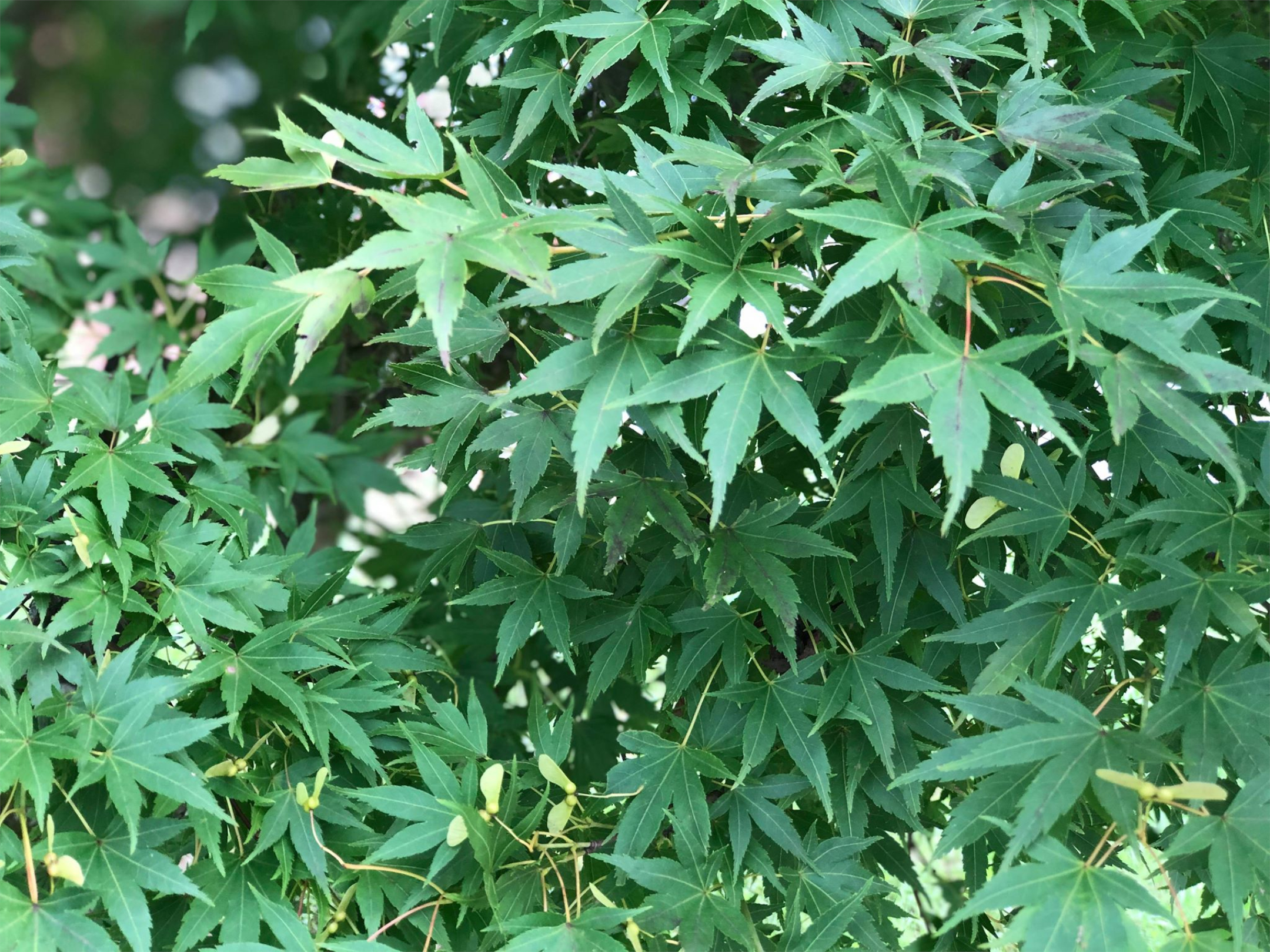
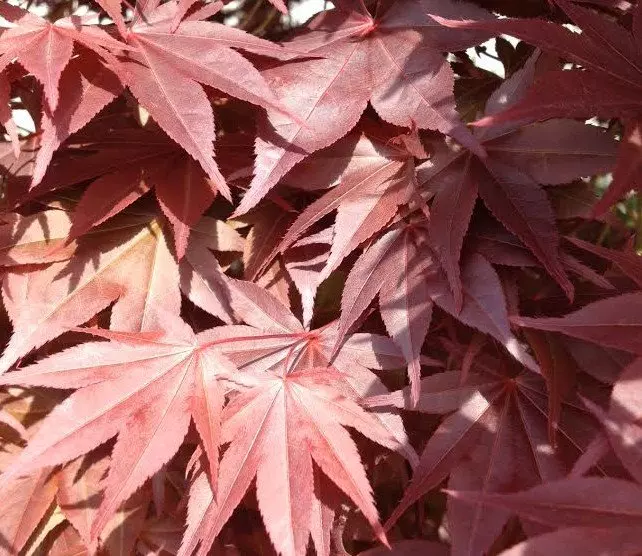
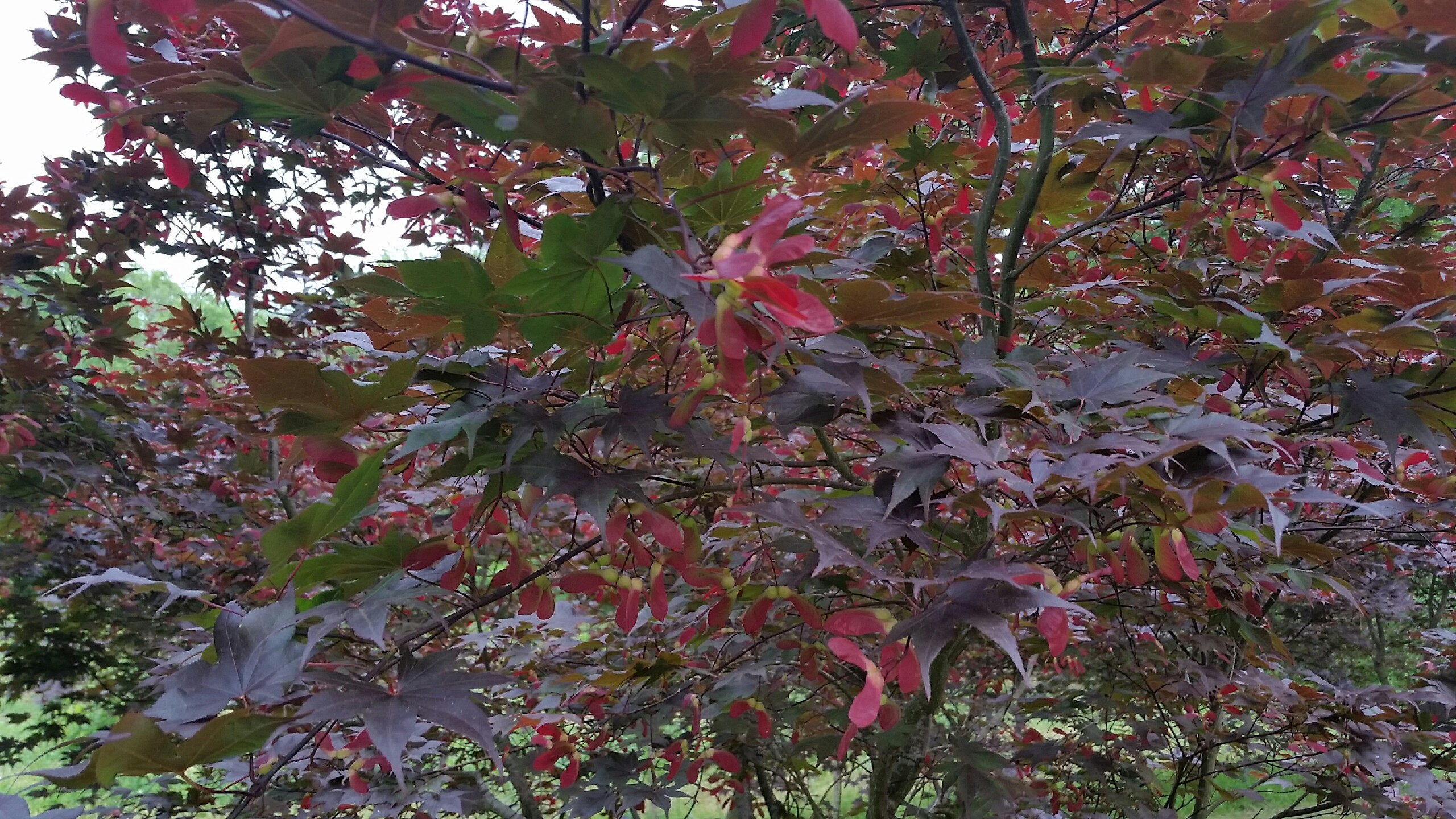
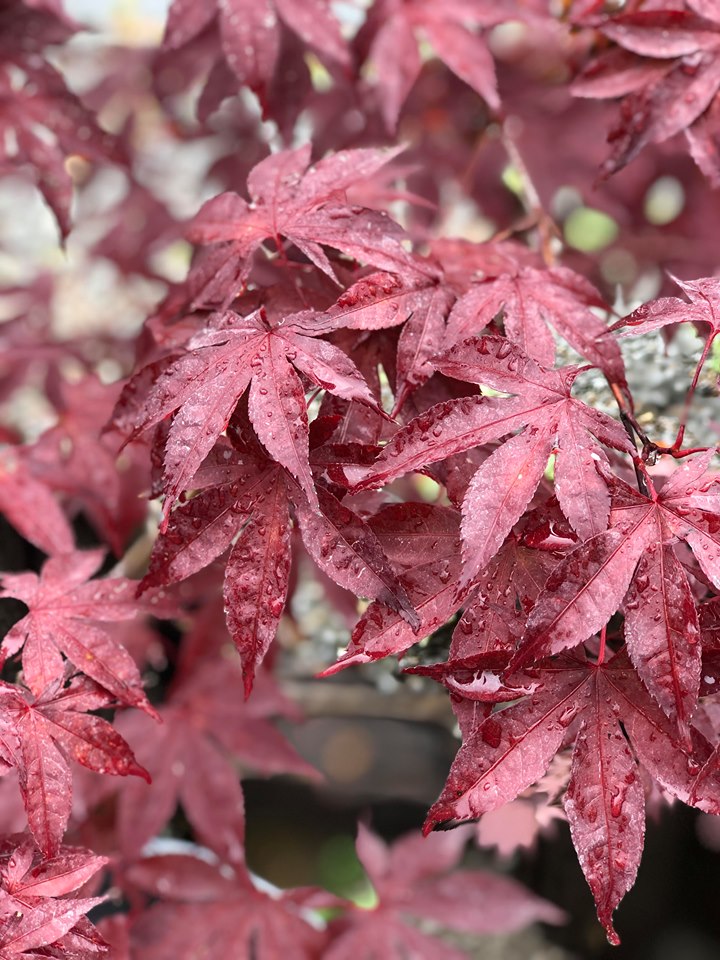
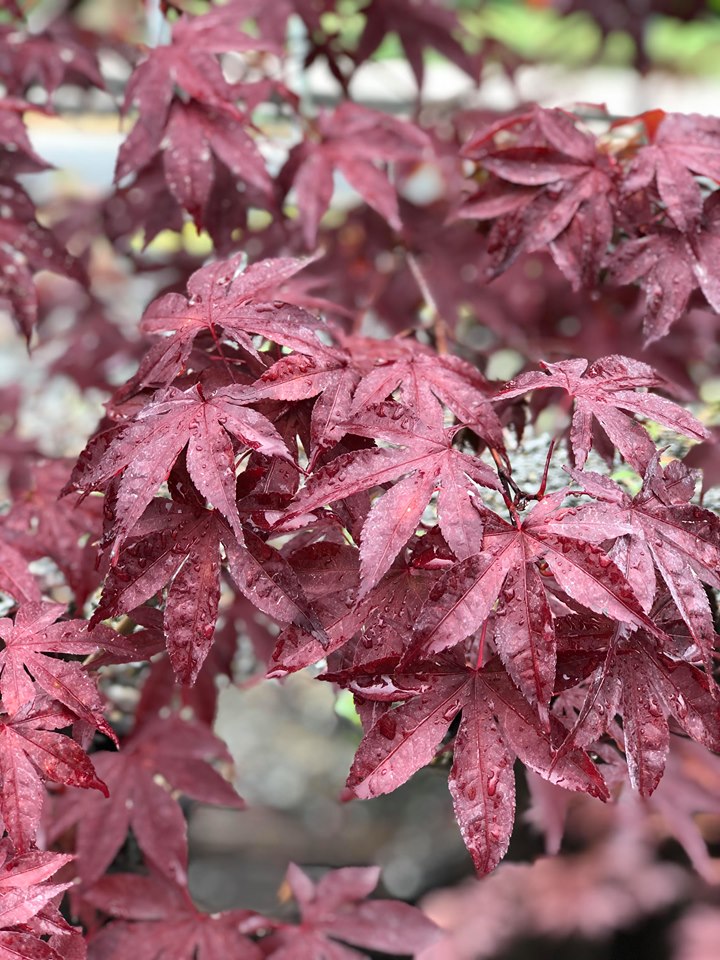
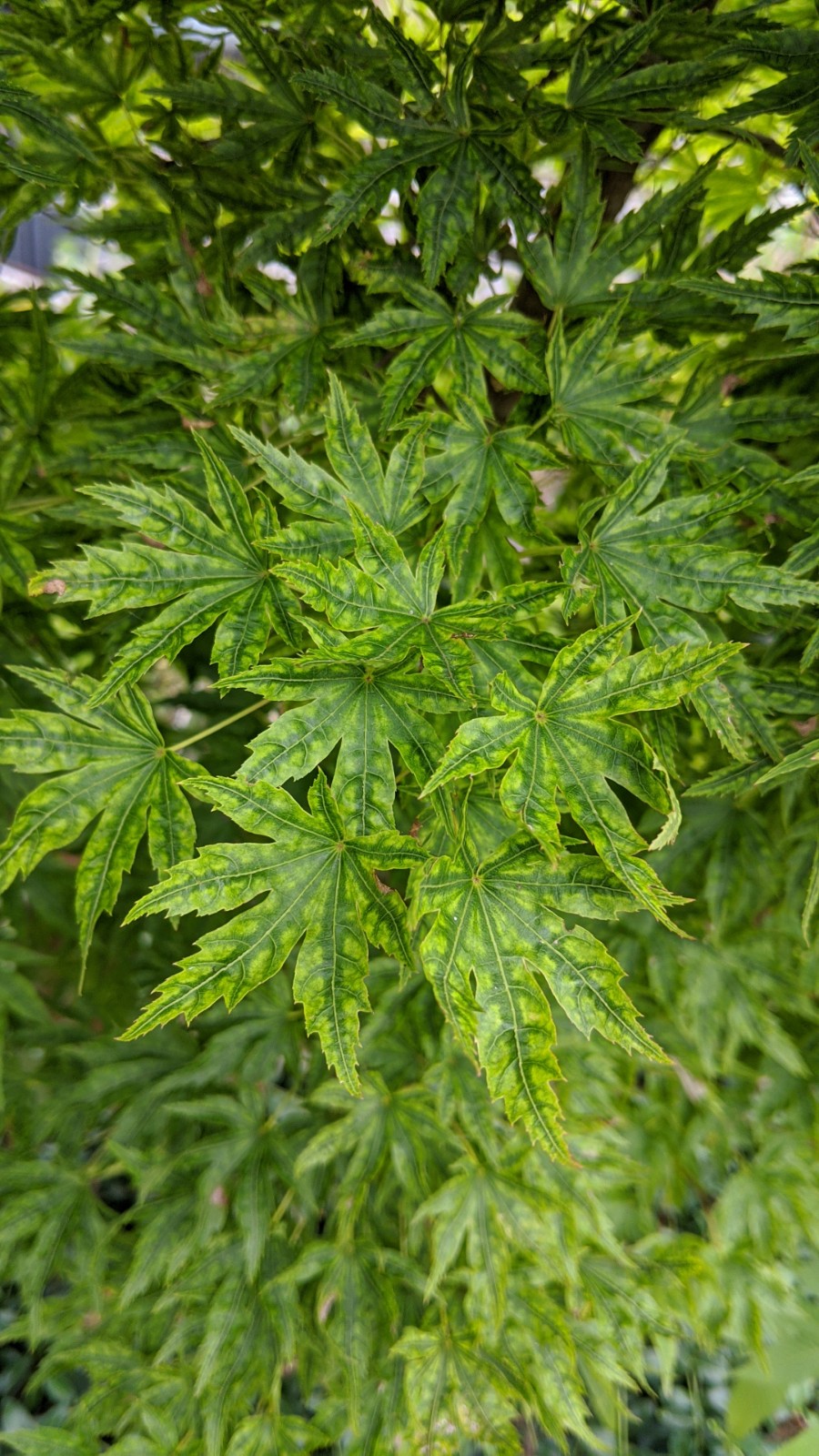
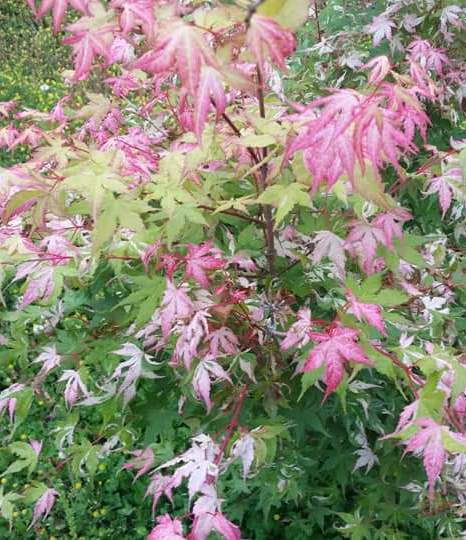
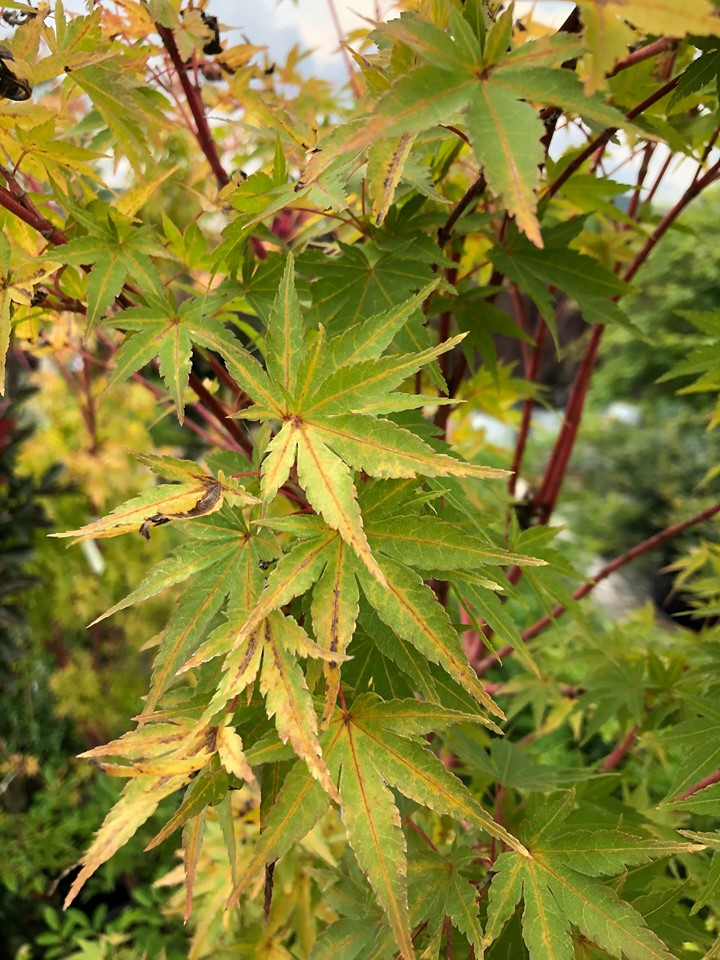
Leaves are opposite, simple, 2 to 5 inches long, deeply 5 to 7 to 9 lobed, lobes being lance-ovate to lance-oblong in shape, acuminate, subcordate doubly serrate; color varies depending on cultivar, but species is green in summer, becoming yellow, bronze, purple or red in the fall; many of the var. atropurpureum types turn a magnificant red in fall; leaves hold late and are often present into November.
Landscape Value:
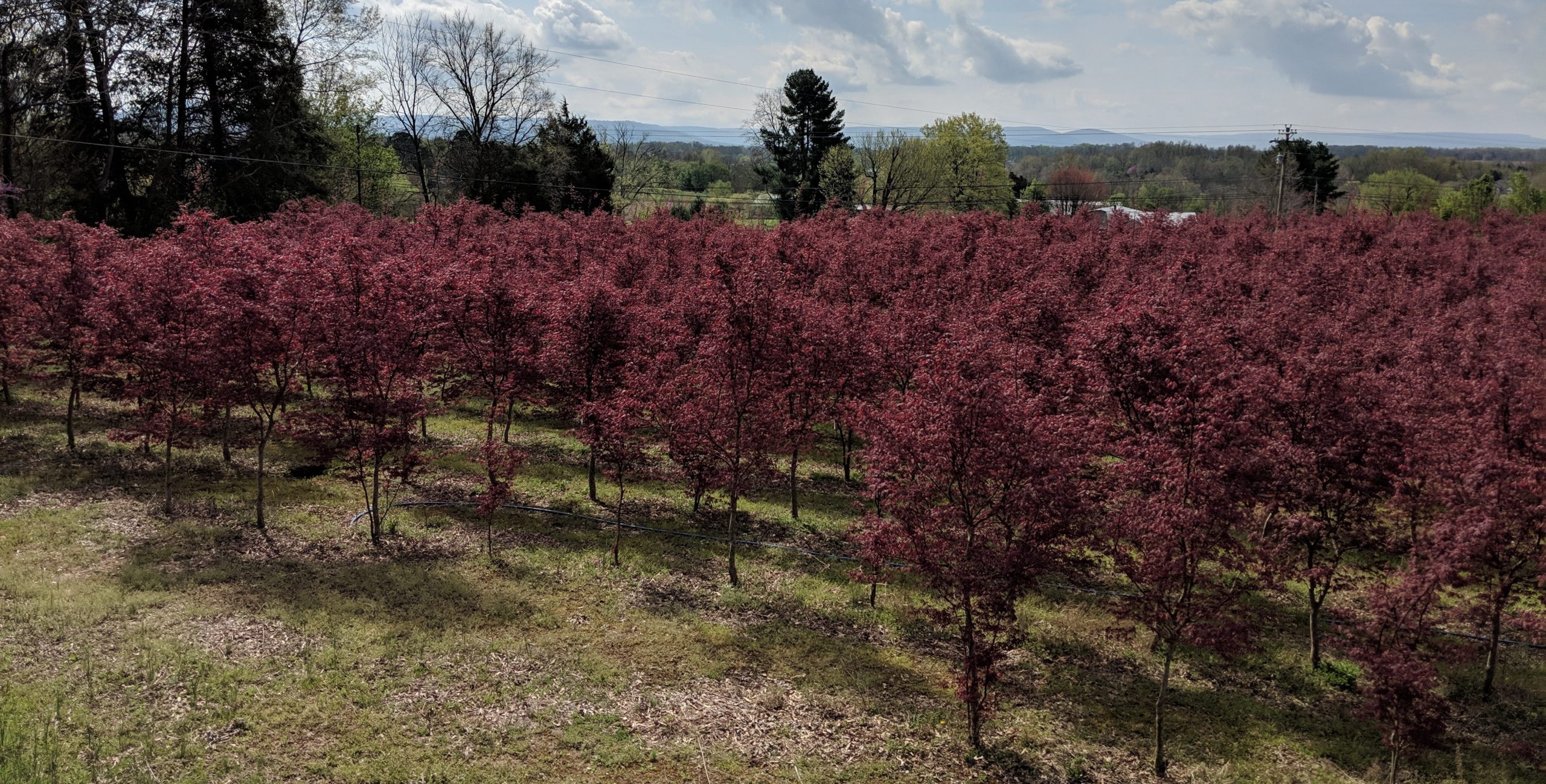
Probably one of the most flexible maple species as far as landscape uses; magnificent specimen, accent plant, shrub border, grouping, bonsai; definitely lends an artistic and aristocratic touch; considering the tremendous heat in the south I am amazed at the number of choice specimens; even in full sun the plant does reasonable well; the purple leaf forms appear to lose the pronounced color earlier in the growing season.
Hardiness:
Zone 5 to 8. For an idea of your plant zone please visit the USDA Plant Hardiness Zone Map.
Soil Preference:
Transplanted balled and burlapped or as a container plant into moist, high organic matter, well-drained soil. Tolerant of most soil types.
Size:
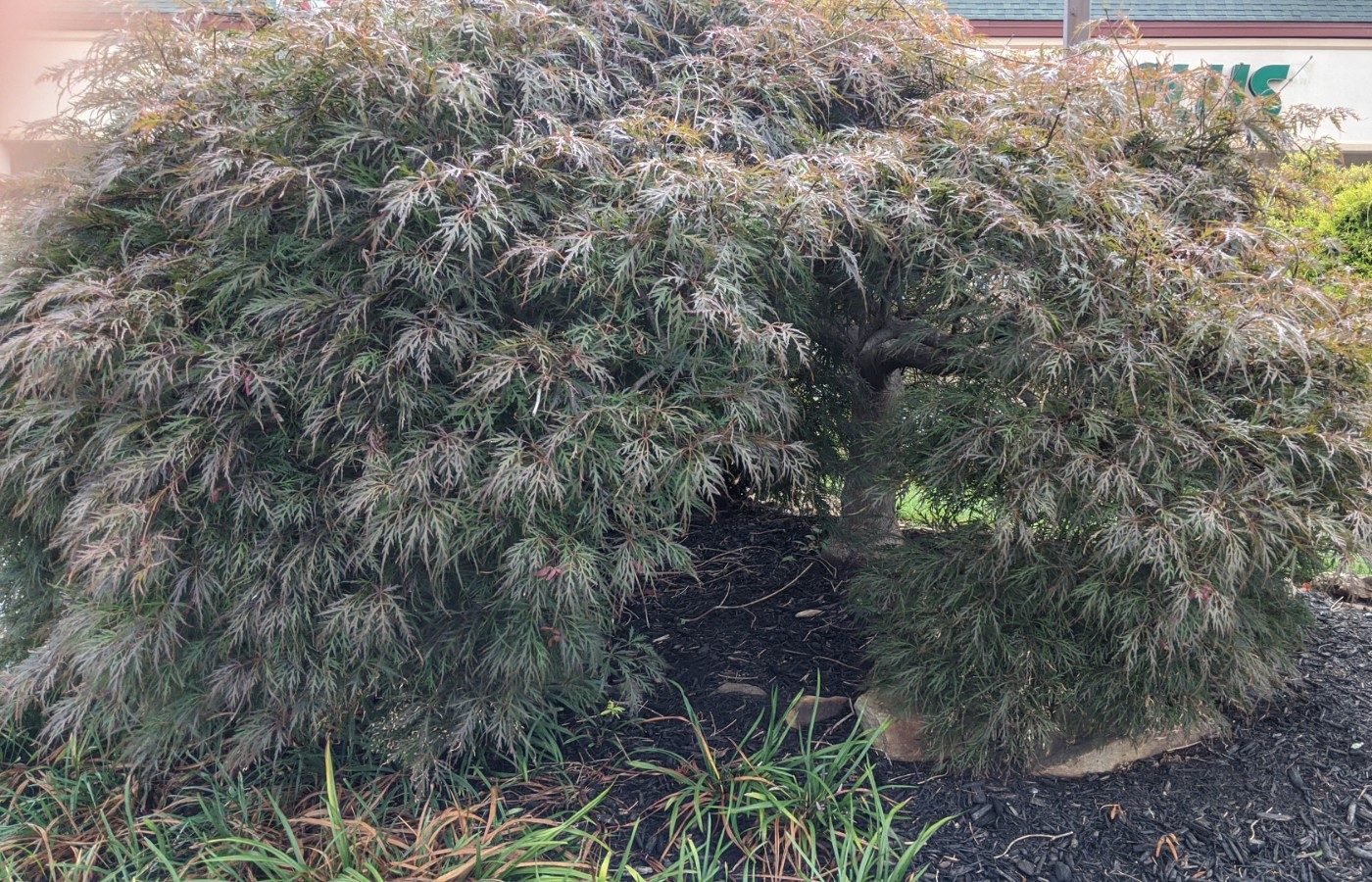
15 to 25 feet in height, spread equal to or greater than height; great variation in this species due to large number of cultivars which are common in commerce; many of the dissectum types only reach 6 to 8 feet and become quite mound-like in shape; the species can reach 40 to 50 feet in the wild state; magnificent specimens along the east coast from Boston to Washington that approach 40 to 50 feet.
Habit:
Species tends towards a rounded to broad-rounded character, often the branches assume a layered effect similar to Flowering Dogwood; the plant can be grown as a single-stemmed small tree or large multi-stemmed shrub; perhaps the greatest ornamental attributes are exposed in the latter situation.
Flowers:
Small, red to purple, May to June, borne in stalked umbels (possibly corymbs), quite attractive on close inspection.
Fertilization:
Fertilize an area three times the canopy spread of the tree 1 to 2 times a year with a 10-10-10 fertilizer. Only fertilize an established tree.
Planting Instructions:
Dig a hole three times the diameter of the root system, with a depth no deeper than the original soil line on trunk. Break up the soil to the finest consistency possible. Place plant in hole and fill, compacting the fill dirt. Water the plant heavily to seal soil around the roots and remove air pockets. Water well, and remember to water regularly until they have started to grow.
Diseases & Insects:
Actually surprisingly few; have had a real problem with rooted cuttings in plastic houses that leafed out early. The high humidity promoted Botrytis infection which literally killed 80 fine specimens in about 3 days.